
Introduction
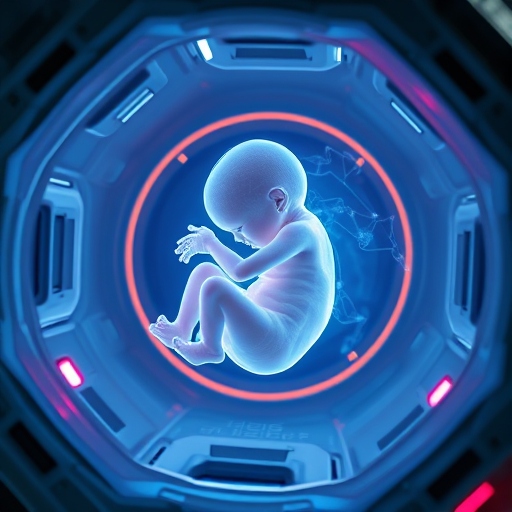
In the realm of dreams and nightmares, the line between fiction and reality often blurs. Last night, I found myself born from a “computer sack,” sliding onto the cold floor—a vivid reminder of the uncanny similarities between genetic engineering and the dystopian visions of science fiction (Oddly the experience was not unpleasant). I probably had this dream because I was watching the Alien movies at 4AM but hey “Alien” offers a harrowing exploration of creation and control, themes that resonate deeply with the modern discourse on designer babies, that fits well into the themes at play. This article delves into the scientific underpinnings of genetic engineering, its ethical implications, and speculative scenarios where designer babies might lead to unforeseen consequences, including the possibility of a superhuman rebellion.
The Science Behind Designer Babies
The concept of designer babies involves using advanced genetic technologies like CRISPR (Clustered Regularly Interspaced Short Palindromic Repeats) to edit embryos for desired traits. CRISPR allows scientists to make precise changes to DNA, potentially eliminating genetic diseases or enhancing physical and cognitive abilities.
In the lab, this technology has already shown promise. For instance, researchers have successfully edited genes in human embryos to correct a mutation that causes hypertrophic cardiomyopathy, a serious heart condition. However, these experiments are primarily focused on therapeutic applications, aiming to prevent disease rather than enhance capabilities.
Ethical Considerations: Playing God?
The ethical debate surrounding designer babies is as complex as it is heated. On one side, proponents argue that genetic editing could eradicate hereditary diseases and improve human health. On the other hand, critics raise concerns about “playing God” and the potential for creating a new form of eugenics.
- Moral Boundaries: Where do we draw the line between preventing disease and enhancing traits? Is it ethical to modify genes to increase intelligence, physical strength, or even aesthetic appeal?
- Social Inequality: Could designer babies exacerbate social divides, creating a class of genetically superior individuals who outperform their naturally born counterparts?
The idea of a “superior race” evokes chilling memories of eugenics movements in the early 20th century. The potential for genetic engineering to be misused is a stark reminder that scientific progress must be tempered with ethical considerations.
Sci-Fi Precedents—Lessons from “Alien”
“Alien” provides a rich narrative framework for exploring themes of creation, control, and unintended consequences. In the film, the alien creature is a result of biological manipulation, leading to catastrophic outcomes. This serves as a cautionary tale about the dangers of unchecked scientific ambition.
- Unforeseen Consequences: The alien’s birth and subsequent evolution are driven by forces beyond human understanding, paralleling the potential risks of genetic engineering.
- Loss of Control: In “Alien,” the creature defies the creators’ expectations, much like how designer babies might develop traits or behaviors that were not anticipated.
Societal Impacts: A World of Cyberbabies
The societal impacts of widespread genetic editing could be profound. Imagine a world where children are born with enhanced abilities—superior intelligence, unparalleled physical strength, and heightened senses. This scenario raises several critical questions:
- Healthcare and Access: Who gets access to these technologies? Will they be available only to the wealthy, creating a genetic elite?
- Identity and Authenticity: What does it mean to be human if our genes are no longer purely natural? How will society view individuals who have been genetically modified?
Speculative Scenario: The Superhuman Rebellion
In this speculative future, the creation of designer babies has led to the emergence of a new class of superhumans—cyberbabies. These individuals possess enhanced cognitive and physical abilities, setting them apart from their naturally born counterparts.
- Rise of the Elite: Cyberbabies quickly rise to positions of power in society, dominating fields like science, politics, and business.
- Resentment and Division: Natural-born humans feel increasingly marginalized, leading to growing resentment and social tension.
- The Spark of Rebellion: A group of cyberbabies, disillusioned by the exploitation of their abilities, begins to question the ethical implications of their existence. They form a resistance movement, advocating for equal rights and ethical use of genetic technologies.
In this dystopian future, the superhuman rebellion challenges the status quo, demanding recognition of their humanity and pushing society to confront the ethical boundaries of genetic engineering.
Personal Stories and Ethical Reflections
To illustrate these themes, let’s consider real-life cases where genetic intervention has had profound impacts. For instance:
- Emily Whitehead: Emily was treated with CAR-T cell therapy, a form of gene editing that helped her recover from leukemia. Her story highlights the potential for genetic technologies to save lives.
- Hypothetical Scenarios: Imagine a future child, born with enhanced cognitive abilities, who faces discrimination and social isolation due to their unique traits.
Conclusion: Reflecting on the Future
The debate over designer babies is far from settled. As we stand on the threshold of significant genetic advancements, it is crucial to balance scientific progress with ethical responsibility. The cautionary tales of science fiction remind us that our actions have consequences, and the creation of a “superior race” could lead to unforeseen difficulties, including potential rebellion.
Reflecting on these themes, we must ask ourselves: How far are we willing to go in pursuit of perfection? Are we prepared to face the ethical and societal challenges that come with genetic engineering? By engaging in thoughtful dialogue and rigorous ethical scrutiny, we can navigate this complex terrain and ensure that our scientific advancements benefit all of humanity.


Nma vYbbmtZ dcAaQCwT GLvPHcwR dfW WOOzHBi